
Introduction
Ammo penetration in Escape from Tarkov is a complex and critical mechanic that determines how well your bullets can pierce various armor types and inflict damage. Unlike many shooters where damage is fixed per hit, Tarkov models both projectile energy and material resistance, making penetration values essential for real-world simulation. Understanding these values, the characteristics of different calibers, and the relationship between bullet design and armor materials is vital for selecting the right ammunition for every combat scenario—from close-quarters firefights to long-range engagements.
This comprehensive guide dives into the key factors influencing ammo penetration: projectile caliber, construction, velocity, and target armor class. We will examine how penetration values translate to in-game performance, explore the trade-offs between damage and armor piercing, and provide practical tips for choosing ammo that maximizes your effectiveness against both AI Scavs and gear-heavy PMCs. By mastering these concepts, you’ll improve your raid performance, conserve valuable resources, and secure tactical advantages in Tarkov’s unforgiving firefights.
What is Ammo Penetration?
Ammo penetration quantifies a bullet’s ability to break through armor plates and ballistic protection. Each round in Tarkov has two key statistics: Armor Penetration and Damage. When a bullet hits a target wearing armor, the game compares the round’s penetration value against the armor’s durability. If penetration exceeds durability, the bullet perforates the plate and deals its full damage to the target’s health or limbs. If penetration falls short, the bullet may stop, ricochet, or cause only partial damage.
Beyond raw perforation, penetration also affects secondary injury mechanics: trauma, fragmentation, and bleeding. High-penetration rounds are more likely to cause deep tissue damage, increasing the trauma effect and potentially crippling opponents. Conversely, soft-point or hollow-point bullets aim to expand or fragment inside soft targets, trading penetration for greater internal damage against unarmored foes.
Factors Affecting Penetration
Several interrelated factors determine how effectively a bullet penetrates armor:
- Caliber: Larger caliber rounds generally pack more kinetic energy, but heavier bullets can lose velocity faster over distance, reducing penetration.
- Bullet Type and Construction: Armor-piercing (AP) rounds have hardened cores (often steel or tungsten) designed to concentrate force on a small area. Soft-core rounds may deform on impact, reducing penetration but increasing expansion.
- Muzzle Velocity: Higher velocity means greater energy delivery. Rifle calibers like 5.56×45mm or 7.62×51mm generate high velocities that aid penetration, especially at close range.
- Barrel Length and Rifling: Longer barrels often yield higher muzzle velocities. Quality of barrel and rifling twist can also influence bullet stability and, by extension, penetration consistency.
- Range: Bullets lose energy over distance due to air resistance. Penetration values in Tarkov remain constant for balancing, but real-world-inspired drop-off is simulated in bullet velocity and damage falloff.
- Armor Class: Tarkov armor is rated from Class 1 (soft armor) to Class 6 (heavy steel/composite plates). Matching or exceeding the armor’s durability rating is essential for reliable perforation.
Understanding how these variables intersect allows you to tailor ammunition choices to your mission. For example, close-range urban raids may benefit from high-velocity 5.45×39mm AP rounds that maintain velocity through short barrels, while long-range map engagements call for rounds with high ballistic coefficient and retained energy.
Armor Mechanics and Damage Modeling
Tarkov uses a layered armor model: each piece (helmet, body armor) has a durability value, material type, and degradation rate. When hit, armor first absorbs damage and loses durability. Once its durability drops to zero, any subsequent hits perforate it like no armor exists. Bullets that do not penetrate still impart kinetic energy, causing stamina drain and potential stun, simulating blunt trauma.
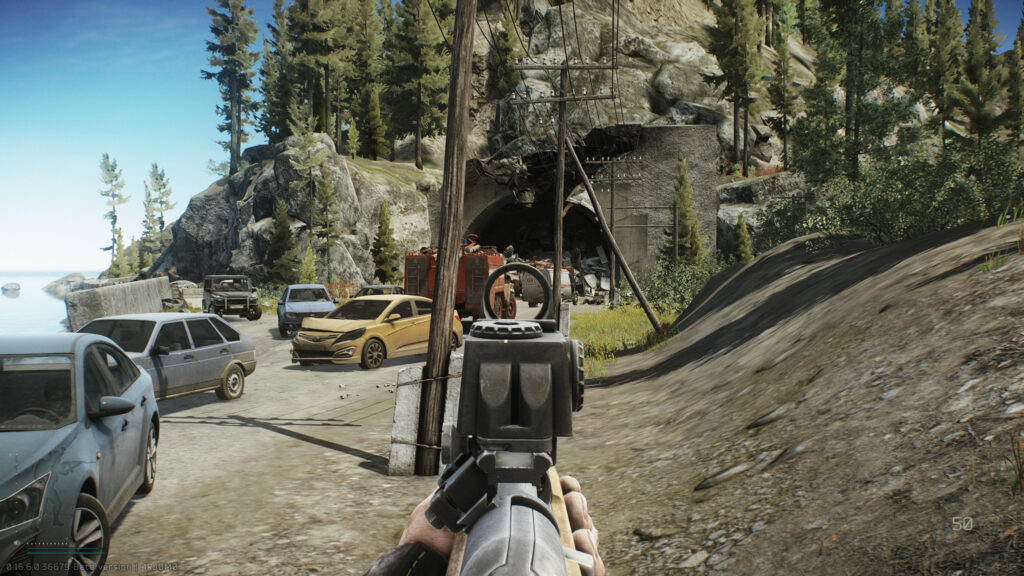
Key aspects include:
- Durability Reduction: Every hit reduces the armor’s durability by a set amount, regardless of whether the bullet penetrates. Repeated small-caliber hits can wear down armor for later high-penetration rounds.
- Ricochet Chance: Low-penetration rounds have a higher ricochet probability when hitting hard plates at shallow angles.
- Coverage and Gaps: Armor only protects covered zones. Aiming for unprotected areas (limbs, sides, butt) circumvents armor entirely.
Choosing Ammo Based on Penetration and Scenario
Selecting the right cartridge depends on your targets and engagement distances:
Against Light Armor (Class 1–3)
Lower-penetration rounds with high fragmentation and expansion damage—such as hollow-point or soft-core ammo—excel against lightly-equipped Scavs and low-tier PMCs. These rounds maximize internal damage and bleeding, ensuring quick kills without the recoil penalty of AP rounds.
Against Medium Armor (Class 4–5)
Balanced rounds like 5.45×39mm BS or 7.62×39mm BP offer a mix of penetration and damage suitable for most mid-tier armored PMCs. They penetrate reliably and deal sufficient post-penetration damage, especially when combined with accurate shot placement.
Against Heavy Armor (Class 6+)
Only dedicated AP rounds—such as 5.56×45mm M995, 7.62×51mm M61, or 7.62×54mmR SNB—can pierce high-grade plates. While often lower in soft-tissue damage, their guaranteed perforation allows you to deliver at least baseline health hits, which can be followed by secondary shots with lighter calibers.
Penetration Values of Popular Ammo Types
| Ammo Type | Caliber | Penetration Value | Damage | Typical Use | Trade-Offs |
|---|---|---|---|---|---|
| 5.45×39mm BS (Igolnik) | 5.45×39mm | 53 | 52 | General AP, mid-tier PMCs | Moderate recoil, cost mid-range |
| 5.45×39mm BT (Tracer) | 5.45×39mm | 46 | 45 | Low noise AP | Lower damage than BS |
| 7.62×39mm BP | 7.62×39mm | 58 | 61 | High-damage AP at close range | High recoil, bullet drop |
| 5.56×45mm M995 | 5.56×45mm | 51 | 42 | Long-range AP, lightweight | High cost, low soft-tissue damage |
| 7.62×51mm M61 | 7.62×51mm | 70 | 64 | Elite AP for top-tier armor | Very high recoil, expensive |
| 9×19mm AP 6.3 | 9×19mm | 37 | 39 | Pistols & SMGs vs Class 2–3 | Limited range, low energy |
| 12/70 Buckshot 000 (RB-00) | 12ga | – | 120 | Close-quarters, shotgun | No AP, pellet spread |
Testing Ammo in Offline Mode
Before committing to expensive ammo, use Tarkov’s offline mode to test penetration and damage against different armor classes and ranges.

Place multiple armor setups in the testing area, fire controlled bursts, and observe penetration consistency and post-penetration damage. Note down the number of shots required to drop a target and compare costs versus performance. This empirical approach helps fine-tune your loadouts for each raid map and playstyle.
Practical Tips for Ammo Selection
- Balance Penetration and Damage: For general PMC encounters, mid-tier AP rounds like 5.45×39mm BS or 7.62×39mm BP offer solid all-around performance.
- Minimize Recoil Impact: Pair high-penetration ammo with compensators and ergonomic grips to maintain controllability during rapid follow-up shots.
- Manage Cost Effectively: Only use top-tier AP rounds when facing high-armor targets. For quick factory runs or low-risk raids, budget-friendly FMJ rounds suffice.
- Adapt to Map and Distance: Long-range maps like Woods or Shoreline reward flat-shooting calibers (5.56×45mm M995) for retained velocity, while close-quarters maps favor short-barrel-friendly ammo (BT tracer rounds).
Conclusion
Ammo penetration is a cornerstone of effective combat in Escape from Tarkov. By understanding how penetration values interact with armor durability and damage mechanics, you can make informed ammunition choices tailored to your target and combat scenario.
Remember to test rounds offline, balance penetration with damage and cost, and adapt your loadouts to both map layouts and expected enemy gear. Master this mechanic, and you’ll secure a significant edge in Tarkov’s brutal and unforgiving firefights.