
In the desolate landscapes patrolled by ARC, a raider’s lifespan is not measured in kills, but in cycles of expenditure and acquisition. Newcomers often fixate on the kinetic thrill of combat, viewing the intervening periods of quiet as mere downtime. This is a fatal misconception. The true battle is fought not during the firefight, but in the moments between, through the meticulous, unforgiving discipline of Resource Management. This practice—the systematic collection, crafting, and conservation of every bullet, bandage, and scrap of material—is the foundational pillar upon which all tactical success is built. Without it, even the most skilled gunfighter is merely a ghost with an empty magazine.
This analysis will deconstruct the core tenets of the Arc Raiders resource loop, demonstrating how a survivor’s mindset, rooted in economic foresight, is the critical differentiator between those who thrive and those who are inevitably ground to dust by the relentless war of attrition.
The Principle of Net Resource Positivity
The ultimate goal of any operational cycle (a “run”) is to conclude with more valuable resources than you began with. This concept, Net Resource Positivity, is the primary metric of success. A spectacular victory against an ARC patrol that costs you all of your high-tier ammunition and medical supplies is, in strategic terms, a catastrophic failure. You have traded irreplaceable assets for temporary breathing room, effectively digging your own grave for the next encounter.

The survivor’s calculus is constant: “Will the resources expended in this engagement be outweighed by the resources gained from salvage and looting?” This forces a shift in perspective. A small, easily dispatched drone group near a salvage crate is a high-value target. A heavily armored Goliath guarding an open field with no lootable structures is a resource sink to be avoided at all costs. Every trigger pull is a transaction, and the raider’s job is to ensure they always come out ahead.
The Scarcity Tiers: A Hierarchy of Value
A raider who treats all resources as equal is doomed. Effective management requires an intuitive understanding of the Scarcity Tiers, a mental framework for prioritizing what to loot, what to use, and what to conserve at all costs.
- Tier 1 (Expendable): Common resources like basic scrap, standard pistol ammunition, and simple binding agents. These are meant to be used for routine tasks and minor engagements. Hoarding these is inefficient; they are the fuel for the resource-gathering engine.
- Tier 2 (Valuable): Specialized components, electronic parts, high-grade explosives, and ammunition for powerful weapons (e.g., sniper rifles, grenade launchers). These should be conserved for high-threat encounters or critical crafting recipes. Using a grenade to clear a single ARC drone is a tactical crime.
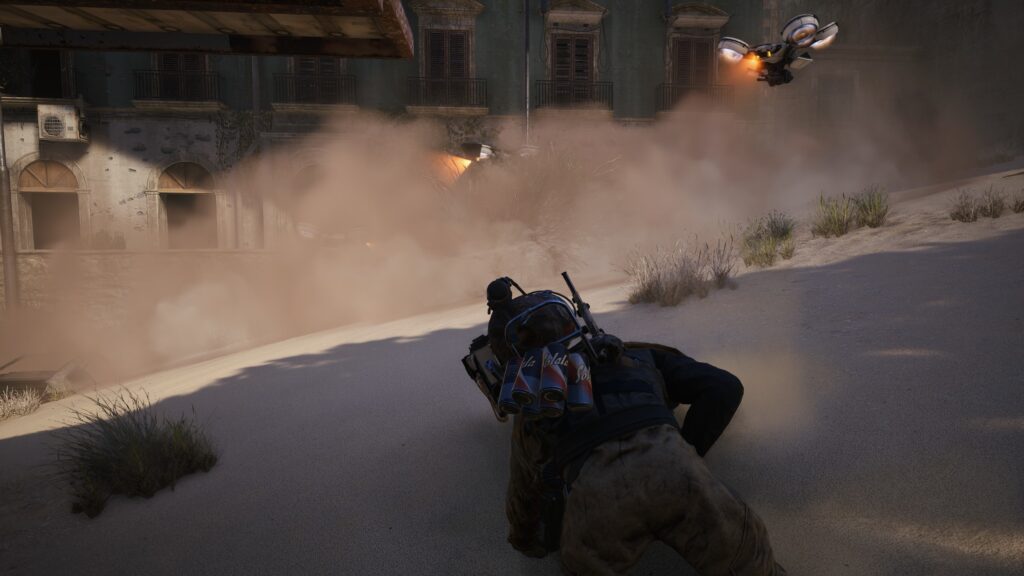
- Tier 3 (Priceless): Unique salvage from elite ARC units, pristine weapon parts, and advanced medical chems. These are not tools for combat; they are assets for upgrading your fundamental capabilities back at base. Expending a Tier 3 resource in the field should only be considered in a life-or-death scenario to prevent the total loss of your inventory.
A raider’s inventory management should reflect these tiers, with Tier 3 items protected, Tier 2 items rationed, and Tier 1 items actively cycled to acquire more valuable assets.
The Crafting Matrix: Converting Scrap to Supremacy
Crafting is the engine that converts low-tier resources into high-tier tactical advantages. It is the bridge between scavenging and survival. The effective raider does not view scrap as junk; they see it as potential. The Crafting Matrix below illustrates how raiders transmute common materials into life-saving tools, demonstrating the importance of prioritizing specific components during looting.
| Desired Item | Key Components (Tier 1 & 2) | Strategic Utility |
|---|---|---|
| Shock Trap | Scrap Metal, Wiring, Power Cell | Area denial and crowd control. Immobilizes robotic threats, creating kill zones and protecting flanks. A force multiplier. |
| Emergency Med-Syringe | Binding Agent, Herbal Salve, Syringe | Rapid, mid-combat healing. Far more valuable than slow bandages. Allows for aggressive, high-risk/high-reward plays. |
| Armor Piercing Rounds | Standard Ammo, Hardened Casing, Propellant | Converts a mid-tier weapon into a solution for armored targets, vastly increasing combat effectiveness against elite ARC units. |
This demonstrates that looting is not just about grabbing everything; it’s about targeted acquisition of the specific components needed to craft the tools that solve your most pressing tactical problems.
The Law of Diminishing Returns in Combat
Every extended firefight is subject to the Law of Diminishing Returns. The initial seconds of an ambush are the most resource-efficient. As the fight drags on, enemy reinforcements are called, tactical positions are lost, and more resources (ammo, health, armor) are consumed per kill. A survivor knows when to press an advantage and, more importantly, when to disengage. A fight that is not won in the first 30 seconds is often better abandoned. A tactical withdrawal that preserves your Tier 2 resources is always superior to a pyrrhic victory that leaves you destitute.
Inventory Tetris: The Art of Efficient Hauling
The physical limitation of your backpack is a core mechanic, not an inconvenience. The practice of Inventory Tetris—the constant re-evaluation and optimization of what you carry—is a critical skill.

Is it better to carry 20 extra pistol rounds (Tier 1) or the single electronic component (Tier 2) that could take their place? The answer is always the component. Raiders must learn to differentiate between bulk and value. A full backpack is not the same as a valuable backpack. Prioritizing high-value, low-slot items like components and chems over bulky, low-value scrap is the sign of a veteran who is planning for the next run, not just the next fight.
Conclusion: The Raider as a Quartermaster
The Arc Raiders loop is a brutal economic simulation disguised as a shooter. The thunder of combat is fleeting, but the reality of resource scarcity is constant. The most successful raiders are not necessarily the best shots; they are the best quartermasters. They operate with a forward-thinking, profit-and-loss mentality that governs every decision.
By mastering the principles of Net Resource Positivity, understanding the hierarchy of scarcity, and leveraging crafting to its full potential, they transform the act of scavenging into the art of survival, ensuring that for every bullet they spend, they earn two back in salvage.