The Re-Bar Rifles and modified assault platforms utilized by Raiders are engineered for necessity, not sustained mechanical perfection. **Fire Control Management (FCM)** is the essential discipline that governs the rate and duration of kinetic output, mitigating the risk of weapon overheating, structural failure (RKI), and thermal signature amplification. Effective FCM is crucial for roles relying on sustained kinetic pressure, such as the Breacher and the Tank, ensuring that kinetic assets remain operational throughout extended engagements.
This final analysis dissects the mechanics of thermal buildup, outlining the necessary burst limitations and procedural cooling techniques required to maintain continuous, effective suppression.
The Principle of Thermal Load Management
FCM is founded on managing the **Thermal Load**—the rate at which friction and kinetic discharge generate heat within the weapon’s barrel and receiver. Exceeding the optimal thermal load leads to immediate penalties: accuracy degradation, weapon sway amplification, and increased structural fatigue (RKI). For ARC units (MIA), overheating also amplifies the Raider’s thermal signature, making them an easier target.
- **Thermal Penalty:** Uncontrolled full-auto fire reduces accuracy and increases the volume of wasted ammunition (LPO).
The Burst Limitation Protocol (BLP)

BLP dictates that automatic kinetic fire must be administered in controlled bursts of 3 to 5 rounds, followed by a momentary cooling period. This technique minimizes the continuous thermal load, maintaining the weapon’s structural integrity and accuracy. Tank/Breacher roles must train rigorously to execute BLP even under extreme stress, prioritizing accuracy and control over sustained rate of fire.
Active and Passive Cooling Techniques
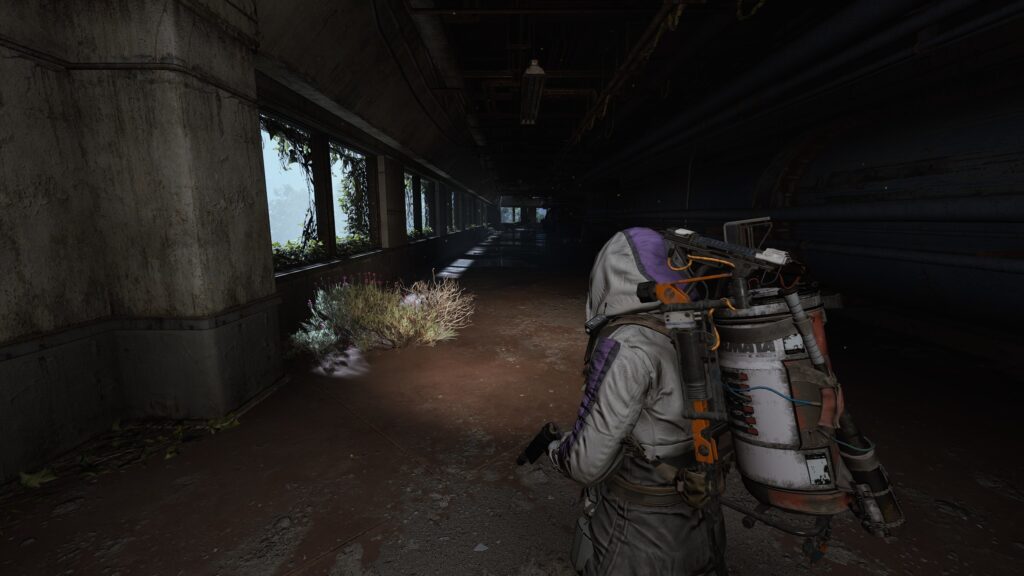
FCM utilizes both active and passive cooling during engagements:
| Cooling Method | FCM Protocol | Strategic Rationale |
|---|---|---|
| **Passive Cooling** | Utilizing the time afforded by the Reload Cancel or CQC movement to allow natural heat dissipation. | Maintains accuracy without expending resources. |
| **Active Cooling** | Exposing the weapon to cooling elements (e.g., laying the barrel in water/snow, CBM) during secured periods. | Rapidly reduces thermal load for immediate re-engagement. |
FCM and Sustained Suppression

The purpose of the Breacher’s kinetic fire is often suppression—maintaining pressure on the ARC unit to cover a teammate’s action (CP, R-EP). FCM ensures this suppression is *sustained*. Short, controlled bursts are mechanically viable for longer durations than a single, lengthy full-auto stream, ensuring the kinetic cover does not fail due to overheating.
FCM and RKI Analysis
FCM extends the lifespan of the weapon’s internal components. Weapons built with lower-quality materials (Tier I/II, RKI analysis) have a lower thermal tolerance and require stricter adherence to BLP, whereas higher-fidelity weapons can withstand marginally longer bursts. This reinforces the need for high-quality components in sustained-fire roles.
Conclusion: Control is Power
Fire Control Management is the discipline that preserves the kinetic output of the Resistance. By mastering the thermal load and adhering to strict burst limitations, Raiders ensure their weapons remain reliable, accurate, and ready for continuous engagement, transforming the fragility of improvised gear into a sustainable, decisive kinetic advantage.